coffee
der Kaffee
Every word comes with a picture and audio.

coffee
der Kaffee
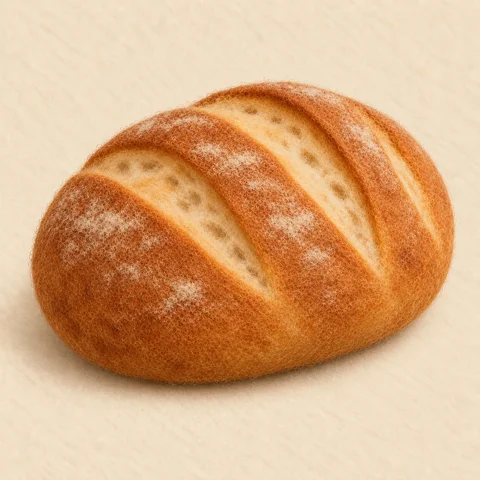
bread
das Brot
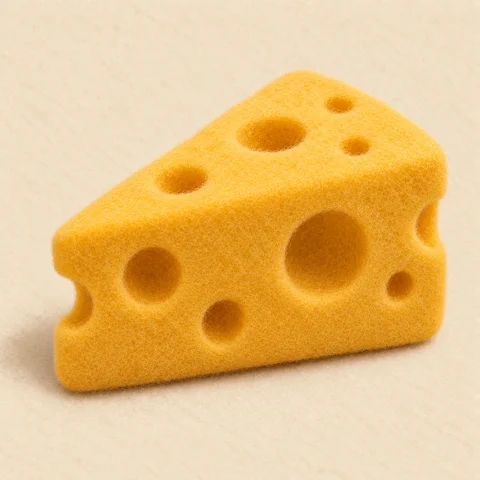
cheese
der Käse
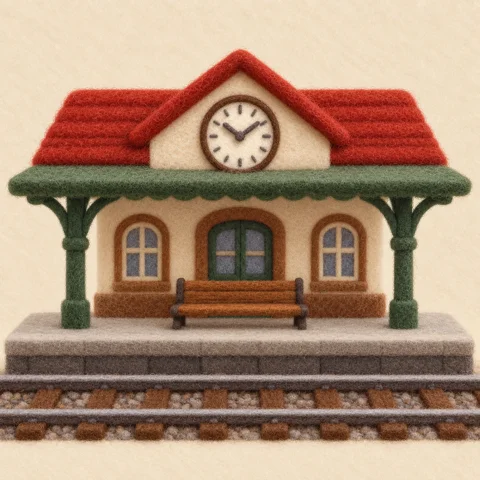
train station
der Bahnhof
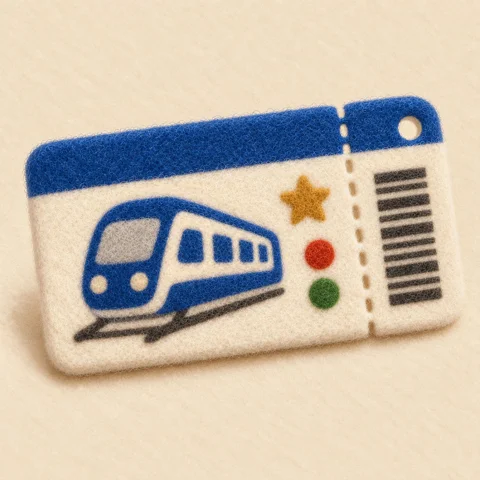
ticket
die Fahrkarte

flower
die Blume
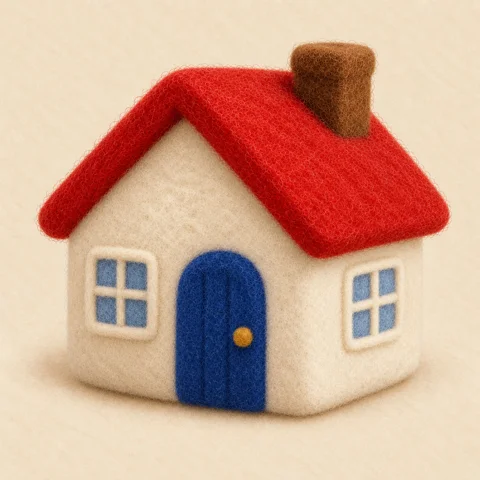
house
das Haus

to eat
essen
Der Kaffee, die Blume, das Brot. You learn the gender together with the word, not separately later.
Der Flughafen and der Bahnhof come whole on the cards, and over time you start to recognize the parts.
German spelling is regular, but sounds like ä and ü in Käse and Küche are best heard, so every word has audio.
The US Foreign Service Institute plans about 36 weeks of full-time study for German. With 10 new cards a day, your first pass through the decks takes about a month.
Want a full plan? Read our guide: How to Learn Vocabulary Fast: A Practical Guide
Sources: Orthographic depth, US Foreign Service Institute, Goethe-Institut exams.
A German noun and its article fade fast unless you see them again at the right moment. Peek does the timing for you.
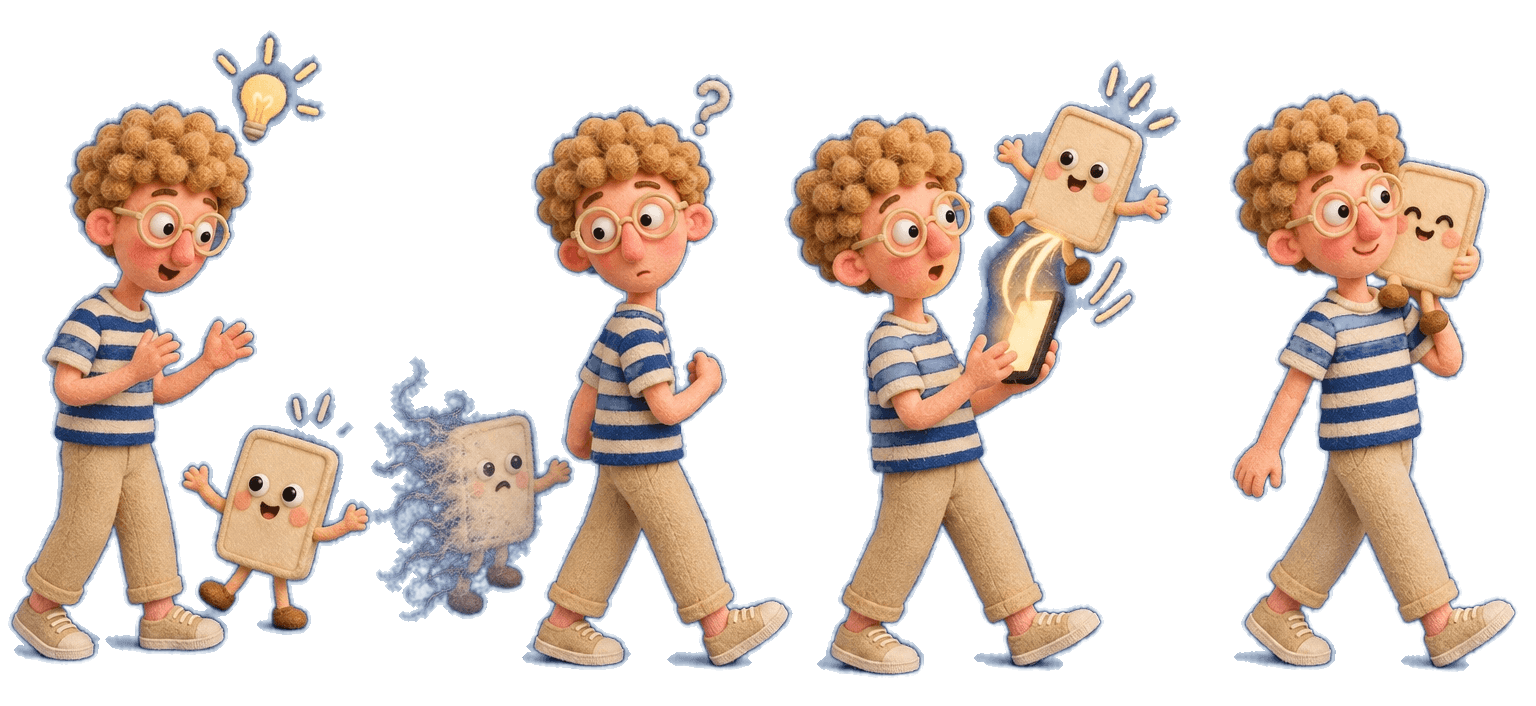
Learn Today
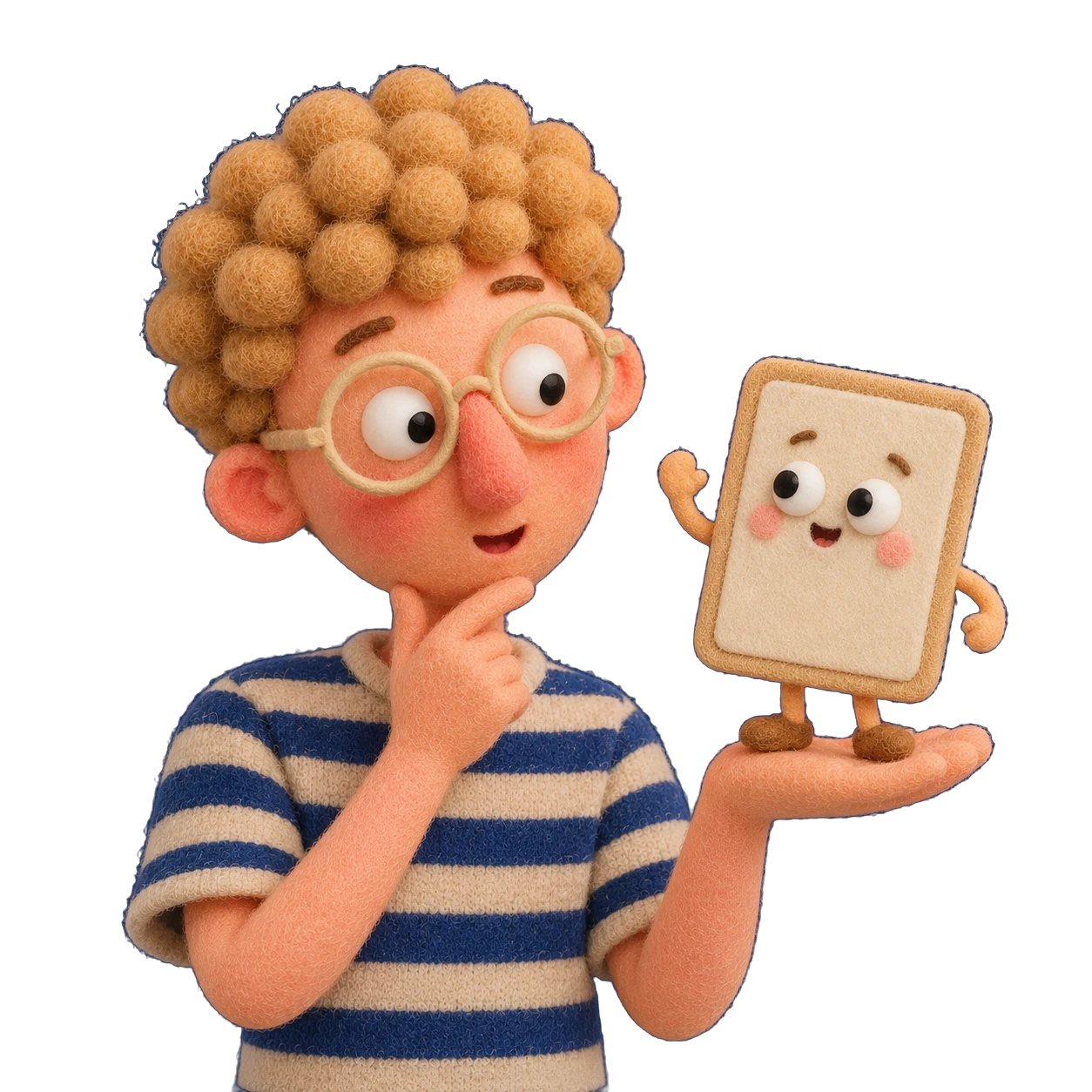
You meet das Brot, the word for bread. It clicks.
Fade Tomorrow
A day later: der, die or das Brot?
Review Tomorrow
Peek returns the card while you can still recall it.
Keep A month later
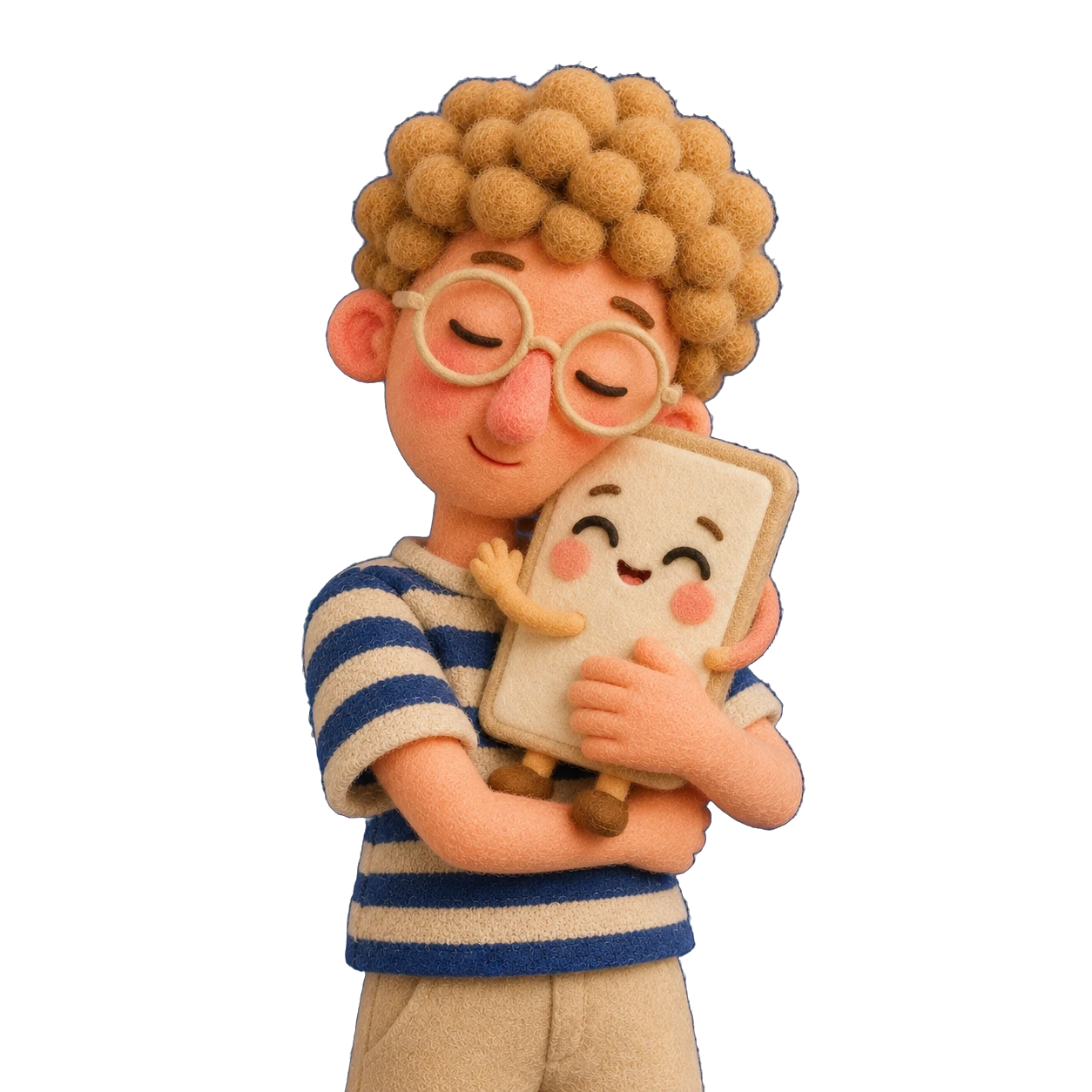
A few reviews later, das comes out together with Brot.
Learn Today
You meet das Brot, the word for bread. It clicks.

Fade Tomorrow
A day later: der, die or das Brot?
Review Tomorrow
Peek returns the card while you can still recall it.
Keep A month later
A few reviews later, das comes out together with Brot.
Based on the forgetting curve (Ebbinghaus, 1885). Learn more on Wikipedia →
Heading to Germany, Austria or Switzerland? Train station, ticket, food: the words you meet on your first day.
Preparing for a Goethe-Zertifikat? It runs from A1 to C2. The decks give you a base. Use them alongside your course, and add new words as your own cards.

Working with German, Austrian or Swiss teams? The polite Sie phrases are there for your first meetings.
Tap a step to see the screen.
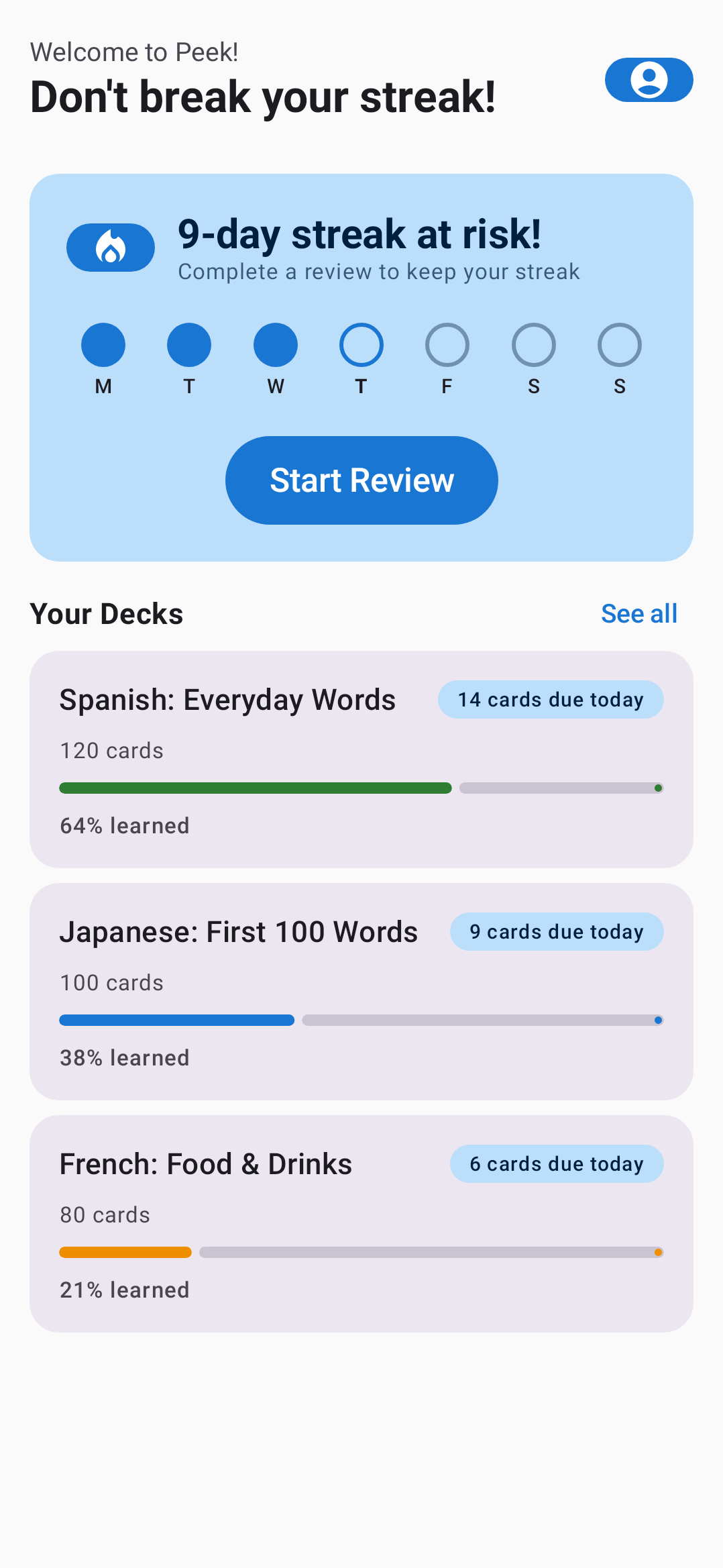
See which German cards are due today.
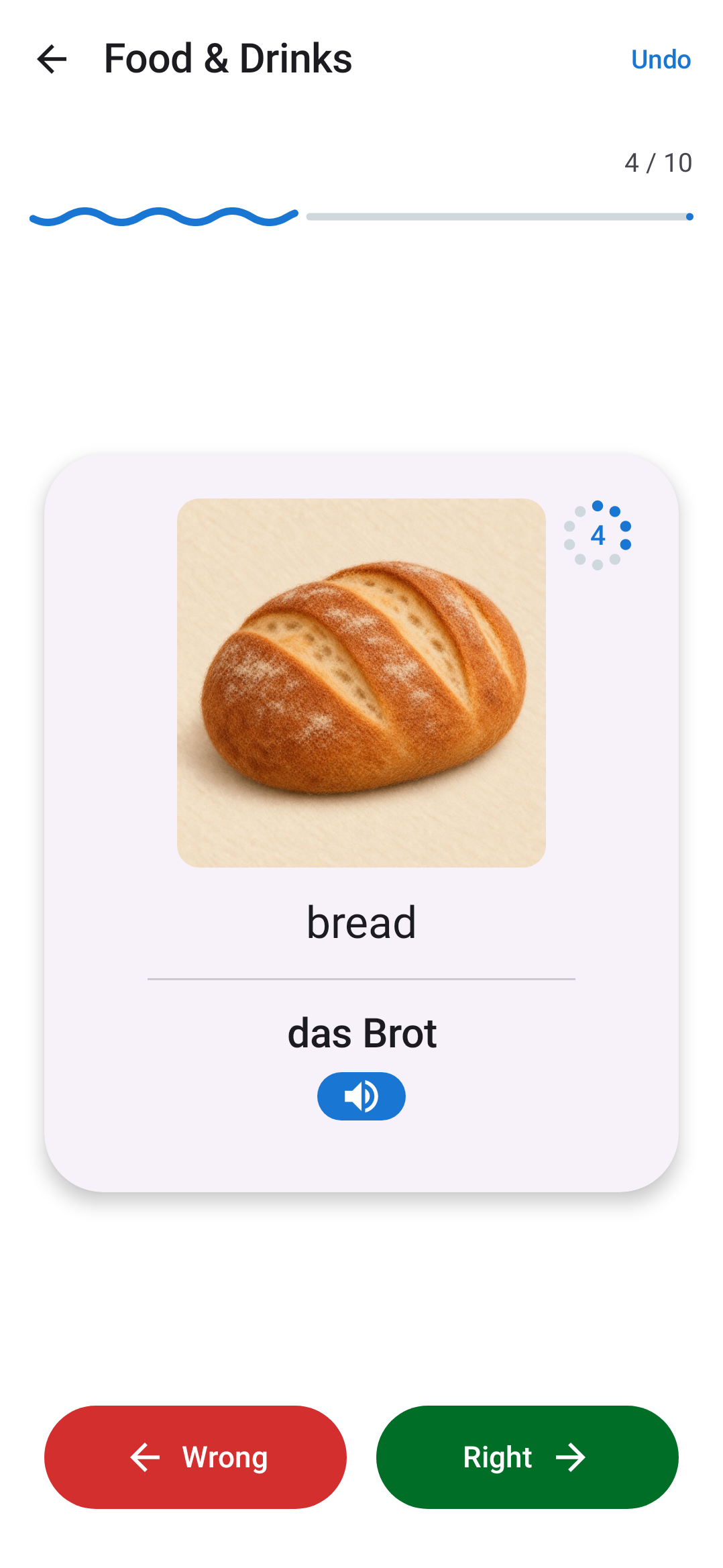
A picture, the noun with der, die or das and how it sounds.
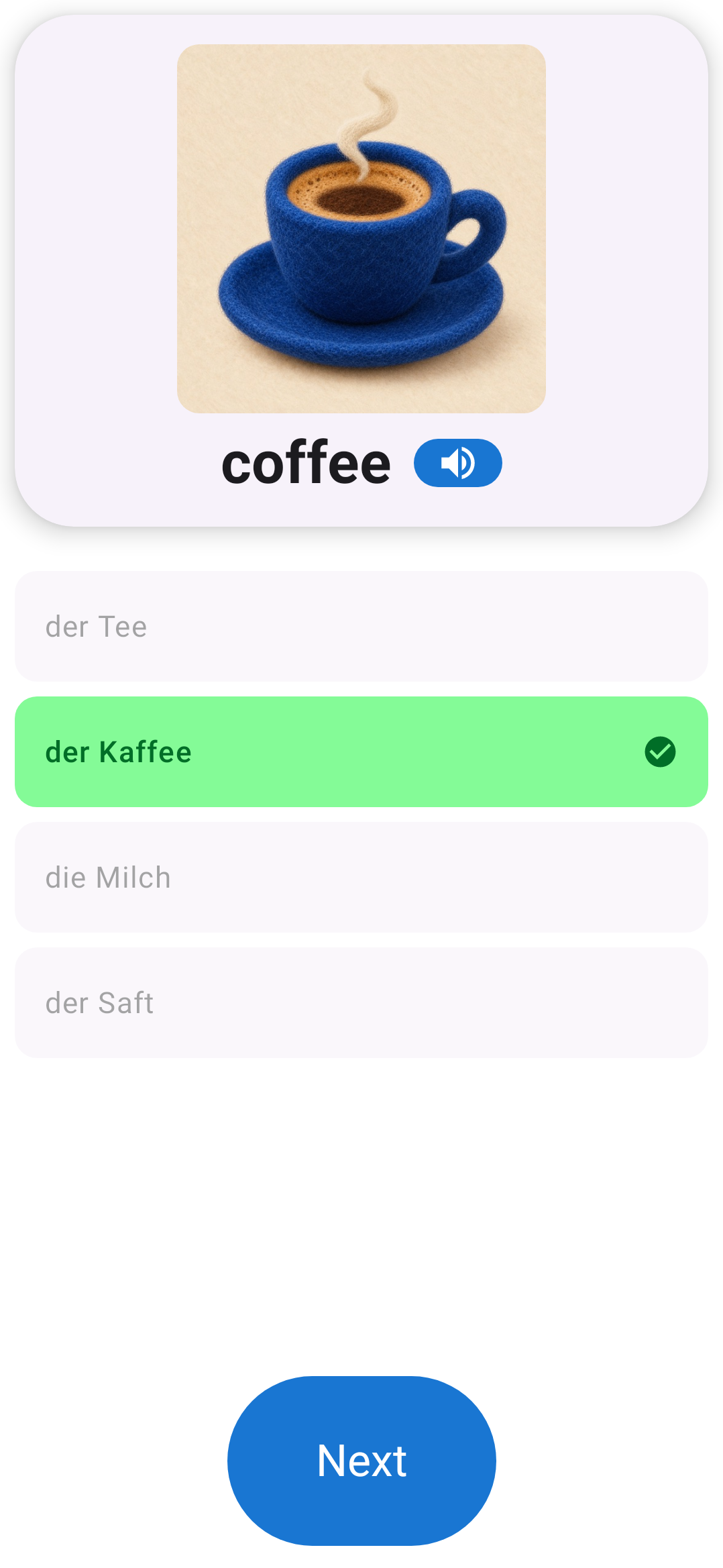
Pick the answer, type it with its umlauts, or just recall.
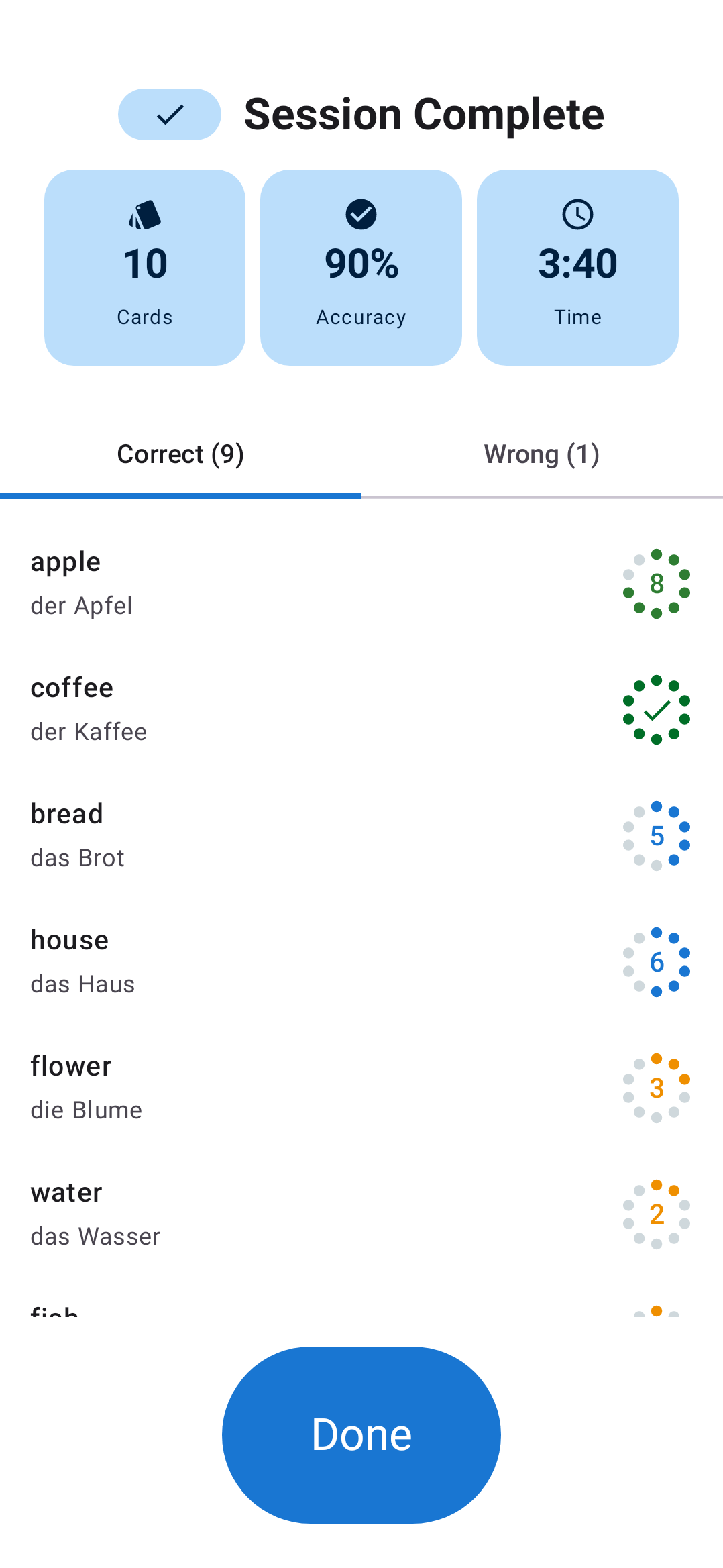
See how many words stuck after each session.
A fair comparison for learning German: what you get from the first day.
| Feature |  Peek | Anki | Quizlet |
|---|---|---|---|
| Nouns with der, die or das | ✓ | Depends on deck | Depends on set |
| Everyday German words by topic | ✓ | Shared decks | User sets |
| 50 common verbs built in | ✓ | Shared decks | User sets |
| Picture on every card | ✓ | Depends on deck | Depends on set |
| Audio on every word | ✓ | Depends on deck | ✓ |
| Spaced repetition (SRS) | ✓ | ✓ | Limited |
| No sign-up required | ✓ | ✓ | ✗ |
Honest note: Anki and Quizlet have far more shared German decks. Peek doesn't drill cases yet. It sticks to everyday words with their articles, ready from the first card.
Tap a question, Peek answers.
The phrase cards use polite Sie, like Wie heißen Sie? It is the safe choice when you meet someone.
It helps with one part. Goethe exams test reading, listening, writing and speaking, and the decks cover everyday vocabulary.
At 10 new cards a day, about a month for all 320. Reviews then keep coming back over the following weeks.
Yes. The Android app, all 10 German decks and cloud sync cost nothing.
No. Choose German and open any deck. You can add an account whenever you want your cards on another device.
Du or Sie?

The phrase cards use polite Sie, like Wie heißen Sie? It is the safe choice when you meet someone.
Is it enough for a Goethe exam?
It helps with one part. Goethe exams test reading, listening, writing and speaking, and the decks cover everyday vocabulary.
How long do all the decks take?
At 10 new cards a day, about a month for all 320. Reviews then keep coming back over the following weeks.
Is Peek free?
Yes. The Android app, all 10 German decks and cloud sync cost nothing.
Do I need to sign up?
No. Choose German and open any deck. You can add an account whenever you want your cards on another device.